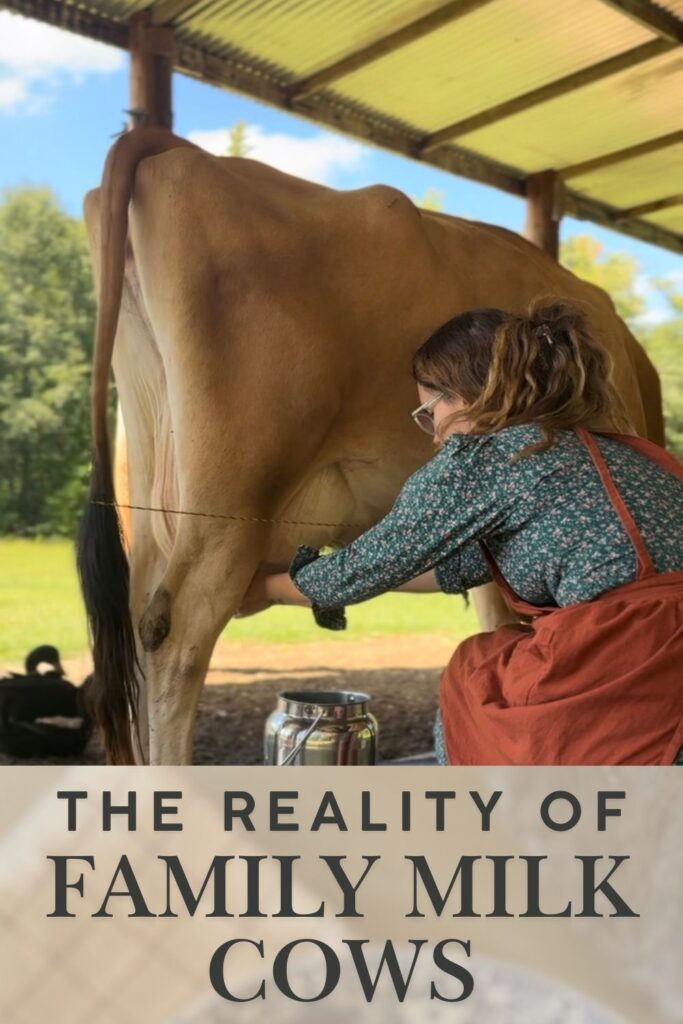
The Reality of Owning a Family Milk Cow: What You Need to know
Influenced into to owning a family milk cow
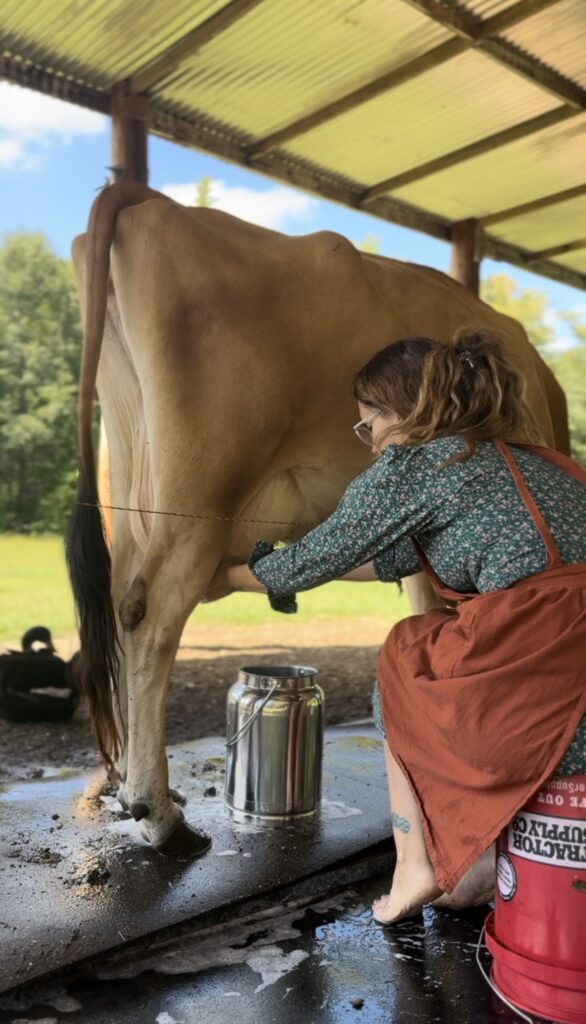
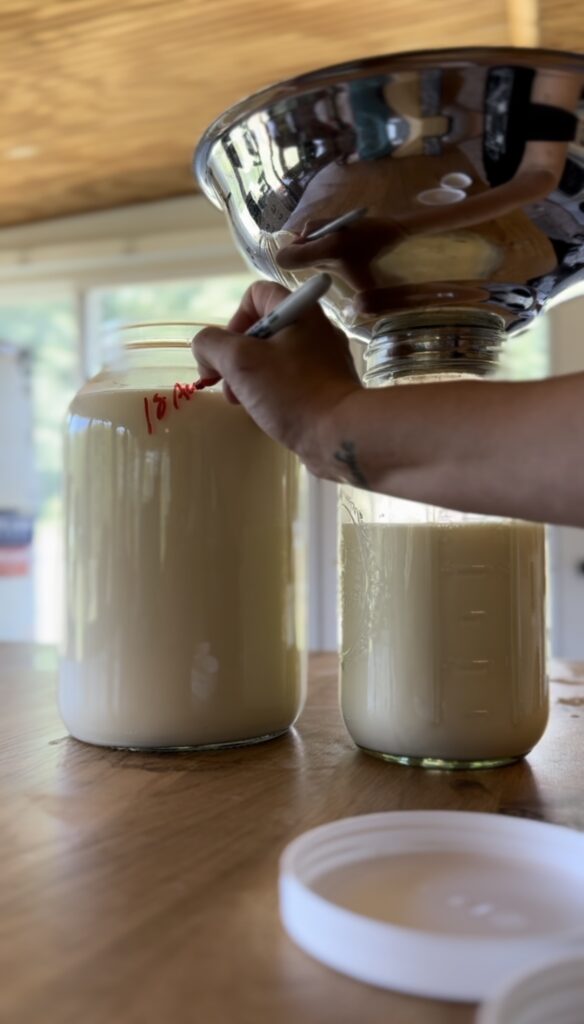
Scrolling through homesteading social media, it’s easy to fall in love with the idea of a family milk cow. Influencers make it look effortless – barefoot milking cows with flowing dresses, large glass jars over flowing with raw milk, and happy cows grazing in perfect pastures. But before you dive into the world of homestead dairy farming, let’s talk the daily reality of owning a family milk cow.
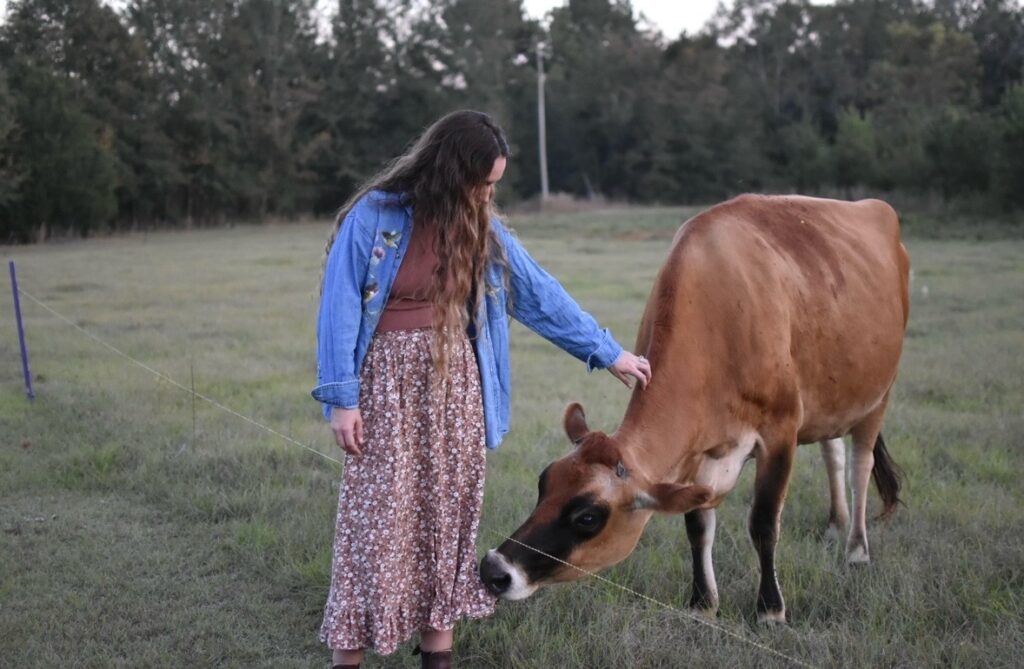
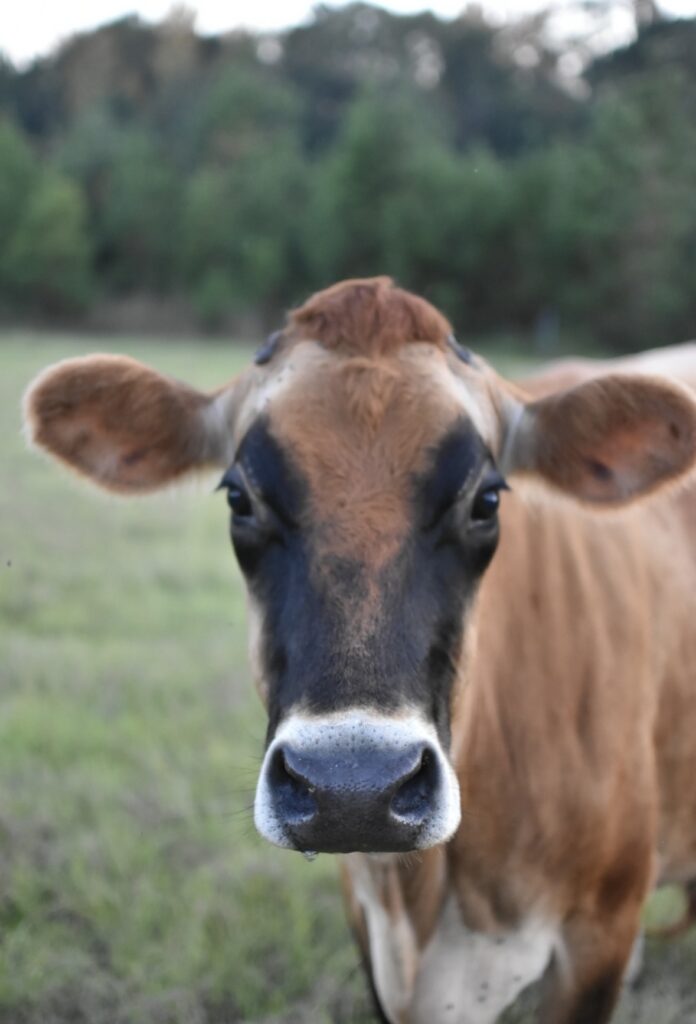
I jumped into having a dairy cow before our family was ready and although I learned fast and was able to provide what our cow Cora needed. If the passion for milk is not there or your unable to adapt. Having a family dairy cow can soon turn into a big headache.
This post contains affiliate links, which means I make a small commission at no extra cost to you. See my full disclosure here
What to Know Before Getting a Family Milk Cow
Initial Considerations
- 1-3 hours daily commitment minimum
- Twice-daily milking schedule (12 hours apart) this can be once per day in time.
- 365-day responsibility
- $1,500-3,000+ initial cow investment
- Monthly feed and care costs
- Equipment investment ($500-1,000 startup)
- Potential vet bills
- Cow loss
Space Requirements
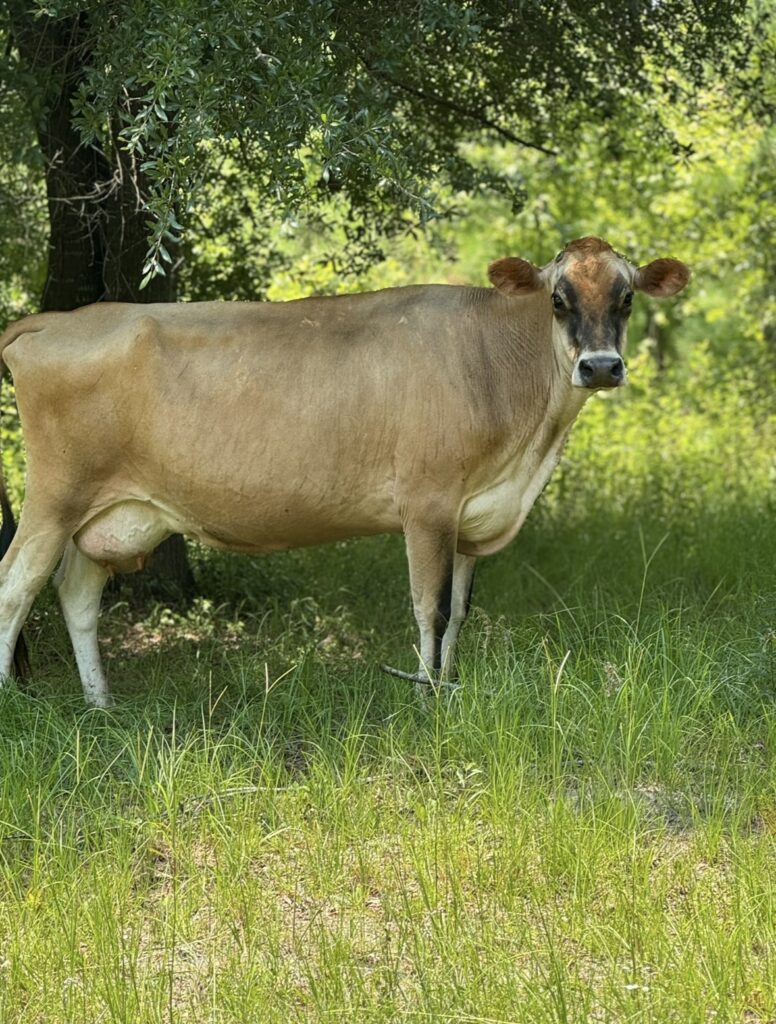
- Minimum 1-2 acres of pasture per cow
- Secure fencing
- Shelter requirements
- Milking area
- Feed storage
- Milk handling space
Daily Schedule Breakdown
Morning Routine Right After calving (8AM-9AM)
8AM – Preparation
- Dress in dedicated milking clothes
- Gather clean equipment
- Ready milk storage containers
8.15AM – Cow Management
- Bring cow to milking area
- Provide morning grain ration
- Secure in stanchion
- Health check
- Udder condition
- Overall alertness
- Appetite assessment
8.30AM – Milking Process
- Thorough udder cleaning
- Strip test each quarter
- Complete milking (hand or machine)
- Monitor milk flow and cow behavior
9AM – Post-Milking Tasks
- Equipment cleaning
- Production recording
- Pasture release
- Milking area cleanup
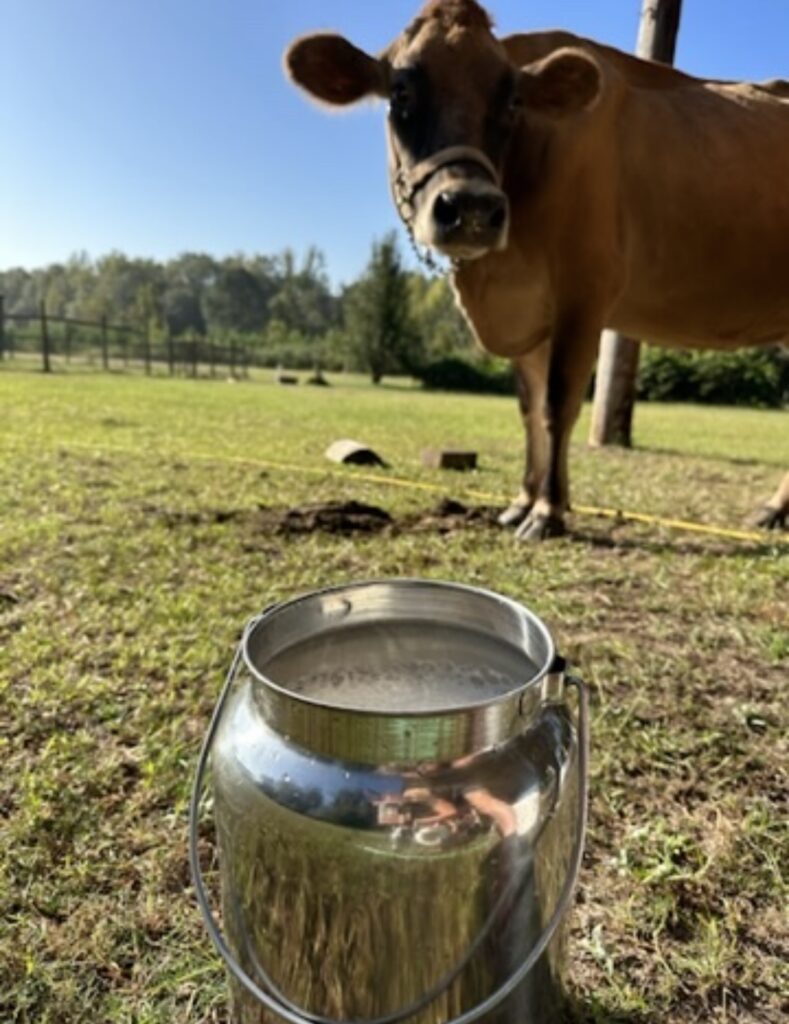
Mid-Day Management
- Pasture monitoring
- Water check/refill
- Hay replenishment
- General health observation
- Barn cleaning
- Evening prep
Evening Routine (6 PM – 7.00 PM)
Same as morning. Your goal might be to get to once a day milking. But this takes time to reduce milk supply to be suitable to once a day milking. Calf sharing is possible but has its own issues.
Times vary depending on experience and cow size and training. We now only milk once a day and I’ve got it down to 30mins. But this is after 2 years of milking experience.
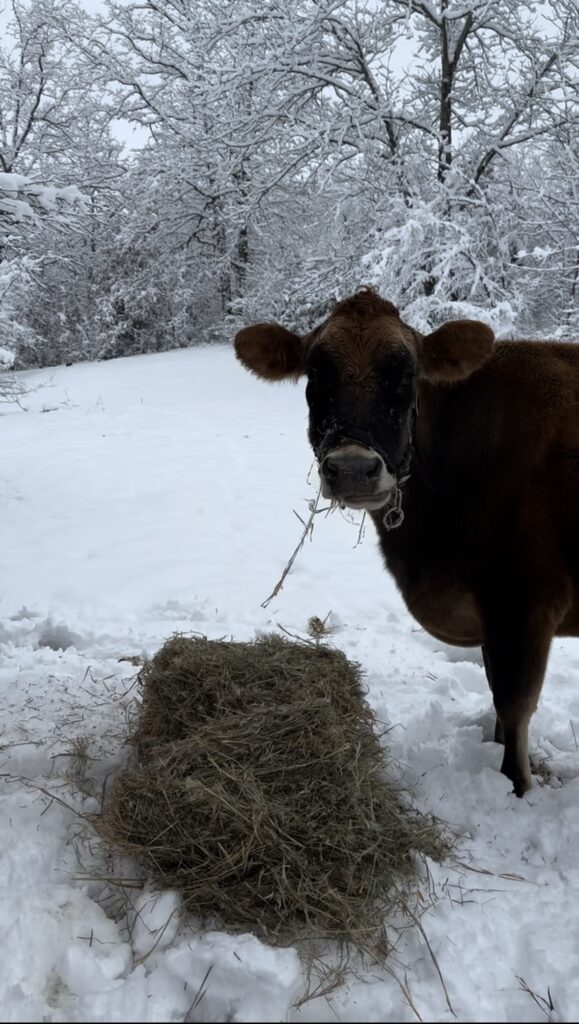
Seasonal Considerations
Winter Challenges
- Earlier dark hours
- Frozen water management
- Additional feed and hay requirements
- Shelter maintenance
- Weather-appropriate milking adjustments
Summer Adaptations
- Heat stress prevention
- Fly management
- Pasture rotation
- Water consumption monitoring
- Milk cooling protocols
Making It Work With Family Life
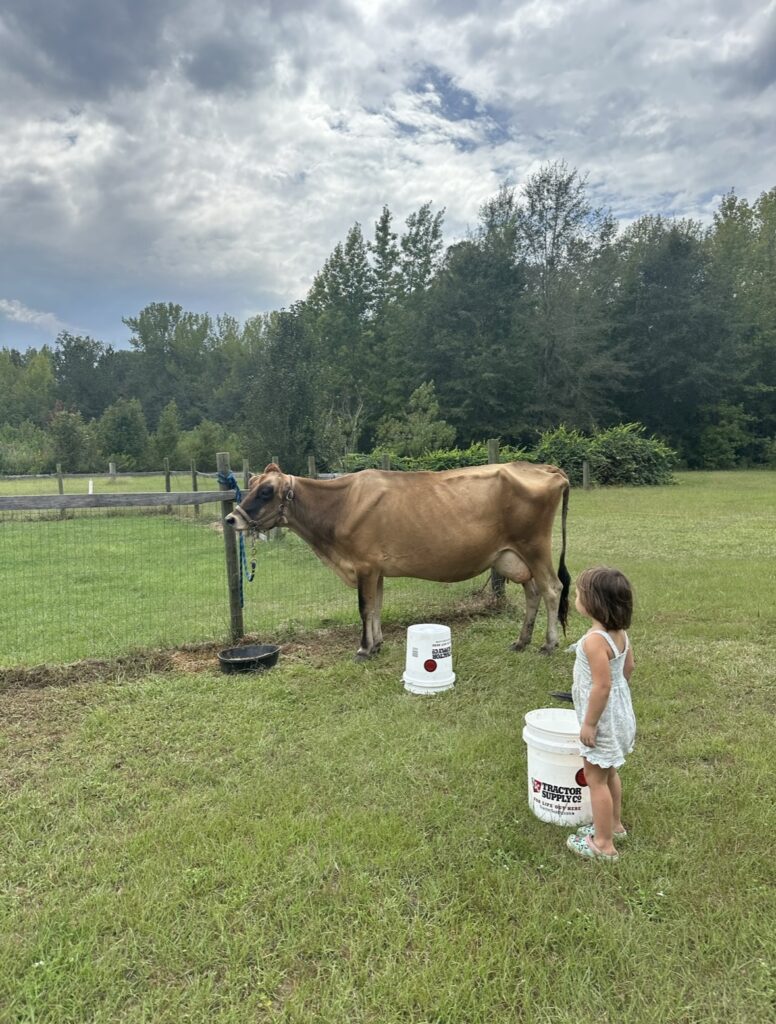
Family Integration
- Task distribution
- Teaching opportunities
- Safety protocols
- Backup plans
- Schedule coordination
Vacation Planning
- Finding reliable help
- Training relief milkers
- Emergency protocols
- Cost considerations
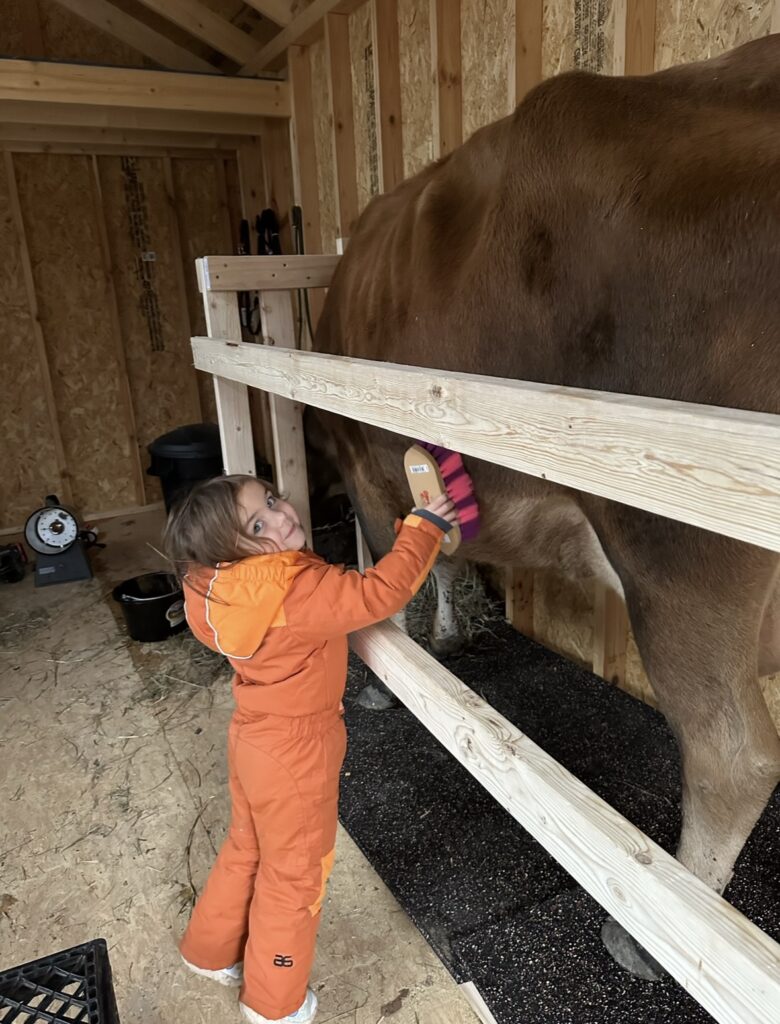
When I had my last baby, I taught friends how to milk. So when I was tired or needed a break they would step in. This takes negotiations and planning.
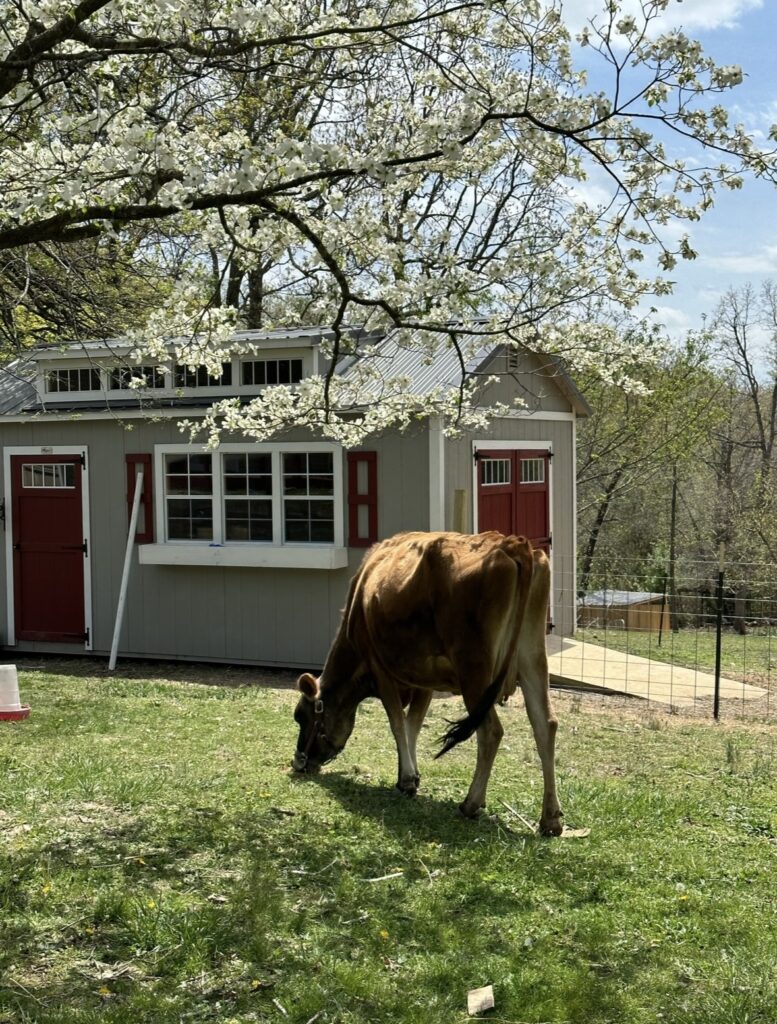
Essential Equipment Checklist
Daily Use Items
- Stainless steel bucket
- Strip cup
- Udder cleaning supplies
- Filters
- Sanitizing solutions
- Storage containers
- Cooling system
Safety and Emergency Kit
- Basic veterinary supplies
- First aid materials
- Emergency contact numbers
- Backup equipment
Tips for Success
Research
Take the time to research everything family dairy cow before jumping in. I suggest this book available here! I often gift this book to friends interested in owning milk cows
Time Management
- Prep evening before
- Maintain backup supplies
- Written checklists
- Buffer time allowance
Health Monitoring
- Daily observation routine
- Record keeping
- Early intervention protocols
- Regular vet checks
Is It Worth It?
Benefits
- Fresh milk daily
- Dairy independence
- Known milk source
- Family involvement
- Sustainable living
- Potential cost savings
- Educational opportunities
Challenges
- Time commitment
- Schedule rigidity
- Financial investment
- Travel limitations
- Weather challenges
- Learning curve
Need some raw milk recipes?
Here is my famous raw buttermilk pancake recipe. When a cow is in milk you will need 100 ways to use milk.
Conclusion
A family milk cow can be an incredible addition to your homestead, but it’s crucial to understand the daily commitment involved. Success depends on:
- Realistic time management
- Family support
- Proper preparation
- Consistent dedication
- Financial readiness
Consider starting with a mentor and research as much as possible. Live and breath all things dairy cow. Remember, the Instagram-perfect moments are real, but they’re part of a bigger picture that includes early mornings, consistent work, and dedicated care. I was out in the snow 9 months pregnant hand milking a cow and although I do not suggest that. It shows my dedication to have raw milk provided by our own family milk cow.
Your Next Steps
If you’re still interested in a family milk cow:
- Visit working dairy homesteads
- Take a milking course
- Calculate your budget
- Assess your property
- Discuss with your family
- Research local regulations
- Find a veterinarian
- Connect with experienced mentors



Do you sell and ship raw cream?
Sorry we do not. Check out local raw dairies in your area.